
How often should I clean my drains?
Regular drain cleaning is essential for maintaining healthy plumbing systems in your home or business. But how often you need to clean your drains depends on a few factors, including the age of your pipes, the frequency of use, and the type of waste that goes down your drains.
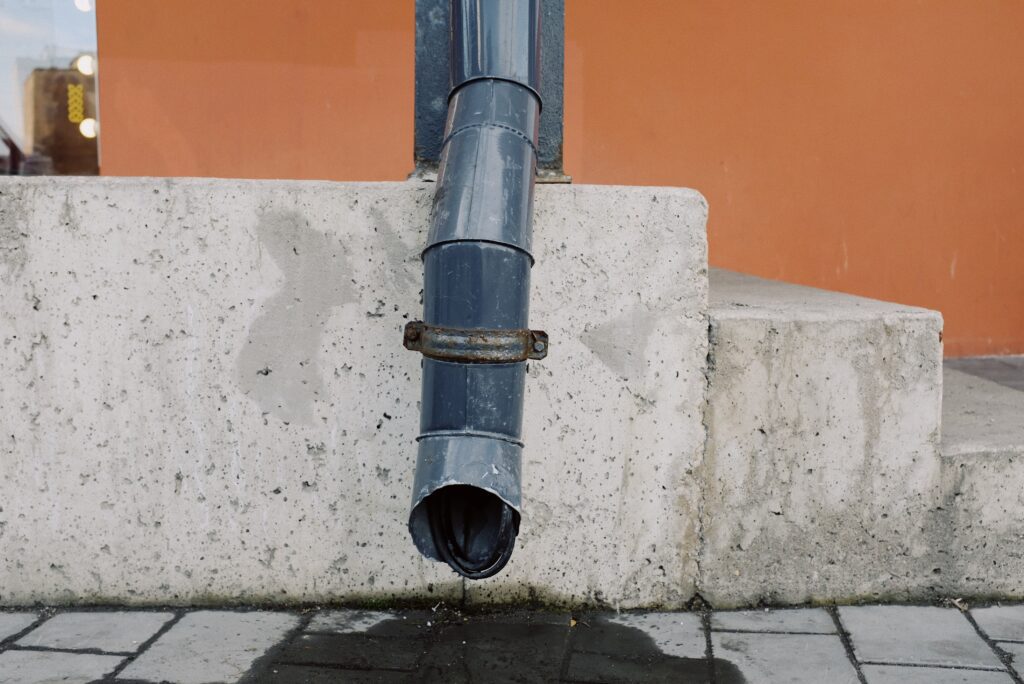
As a general rule, we recommend scheduling professional drain cleaning every one to two years, especially for older homes or buildings with outdated plumbing systems. If you have a lot of people using your plumbing or have noticed frequent clogs, you may need to clean your drains more often.
It’s also a good idea to invest in preventive maintenance, such as using drain screens to catch hair and food debris, disposing of grease properly, and avoiding flushing non-degradable items down the toilet. These steps can help keep your drains running smoothly between professional cleanings.
What are the signs of a blocked drain?
Blocked drains can be a major hassle, causing slow-draining water, foul odours, and even sewage backups. Here are some of the most common signs that you have a blocked drain:
- Water backing up in sinks, toilets, or showers
- Slow-draining water in sinks, showers, or tubs
- Gurgling sounds from your drains or toilet
- Unpleasant odours coming from your drains
- Water pooling around your drains or in your yard
- Sewage backups or overflows
If you notice any of these signs, it’s important to act quickly to prevent further damage and potential health hazards. Contact a professional drain cleaning company like YourDrains.co.uk to assess the situation and determine the best course of action.
How can I prevent my drains from getting blocked?
Preventing drain blockages is much easier and less expensive than dealing with them after they occur. Here are some tips to help keep your drains running smoothly:
- Use drain screens to catch hair and food debris
- Dispose of cooking grease properly (never pour it down the drain)
- Avoid flushing non-degradable items down the toilet (such as wet wipes or sanitary products)
- Use hot water and dish soap to flush away food particles in the kitchen sink
- Regularly pour boiling water down your drains to flush away buildup
- Have your drains professionally cleaned every 1-2 years
By following these simple steps, you can help avoid drain blockages and keep your plumbing system in top condition.
What causes drain blockages?
There are many potential causes of drain blockages, including:
- Accumulated hair, soap, and toiletries in bathroom drains
- Food debris, grease, and oils in kitchen sinks
- Flushing non-degradable items down the toilet (such as wet wipes or sanitary products)
- Tree roots infiltrating sewer lines
- Old or deteriorating pipes
- Foreign objects, such as toys or jewellery, accidentally dropped down the drain
Knowing the cause of your blockage can help determine the best course of action for unblocking your drains and preventing future blockages. It’s important to consult a professional drain cleaning company like YourDrains.co.uk to assess the situation and provide effective solutions.
Can I use a plunger to unblock my drains?
Yes, you can use a plunger to unblock your drains. However, it’s essential to use it correctly. To use a plunger effectively, place the plunger over the drain and create a seal by pressing it down firmly. Then, using an up-and-down motion, push and pull the plunger to dislodge the blockage. It may take several attempts, but if done correctly, the blockage should be removed. It’s worth noting that plungers work best on small blockages and may not be effective on severe or stubborn blockages.
Can I use drain-cleaning chemicals to unblock my drains?
While it may be tempting to use drain-cleaning chemicals to unblock your drains, it’s not always the best idea. Drain-cleaning chemicals are often made up of harsh chemicals that can be damaging to your pipes and the environment. Additionally, they may not be effective in removing stubborn blockages, and overuse may lead to long-term damage to your pipes. It’s best to avoid using drain-cleaning chemicals and opt for more natural and environmentally friendly methods such as hot water, baking soda, and vinegar.
How long does it take to unblock a drain?
The time it takes to unblock a drain depends on the severity and location of the blockage. In some cases, a blockage may be removed within a matter of minutes using a plunger or drain snake. However, if the blockage is severe or located deep within the pipes, it may take longer to remove. In such cases, it may be necessary to use more advanced techniques such as high-pressure water jetting or CCTV drain surveys to locate and remove the blockage. At YourDrains.co.uk, we provide efficient and effective drain unblocking services, and our experienced team can quickly identify and remove any blockages in your drains.
Do you offer emergency drain unblocking services?
Yes, at YourDrains.co.uk, we understand that drain blockages can occur at any time, and they can be a significant inconvenience for homeowners and businesses alike. That’s why we offer emergency drain unblocking services to ensure that we can help our clients when they need it most. Our experienced and qualified team is always on hand to assist with any drain-related emergencies, and we use the latest equipment and techniques to quickly and efficiently remove any blockages. So, whether you have a blocked toilet, sink, or external drain, you can rely on YourDrains.co.uk to provide a fast and reliable emergency drain unblocking service.
What is a CCTV drain survey?
A CCTV drain survey is a method of inspecting the condition of a drainage system using a camera that is fed through the pipes. The camera sends back live footage to a monitor, allowing our drainage experts to identify any issues within the system, such as cracks, blockages, or structural damage.
How much does a CCTV drain survey cost?
The cost of a CCTV drain survey can vary depending on the size of the property, the complexity of the drainage system, and the severity of any existing issues. At YourDrains.co.uk, we offer competitive rates for our CCTV drain survey services, and we can provide you with a detailed quote after assessing your specific needs.
How often should I get a CCTV drain survey done?
It’s recommended that you get a CCTV drain survey done at least once every few years, or more frequently if you suspect that there may be issues with your drainage system. A CCTV drain survey can help to identify any potential problems early on, which can prevent more serious and expensive issues from developing in the future.
What is drain relining and how does it work?
Drain relining is a method of repairing damaged or deteriorating drain pipes without the need for excavation. The process involves inserting a liner into the existing pipe and inflating it, which causes the liner to adhere to the inside of the pipe and create a new, durable layer. The relining process can be used to repair a range of issues, including cracks, leaks, and corrosion, and it can extend the lifespan of a drainage system by several years. At YourDrains.co.uk, we offer expert drain relining services using the latest technology and techniques, and we can provide you with a detailed assessment of your specific needs.
How long does drain relining last?
Drain relining is a long-lasting and cost-effective solution to repair damaged or deteriorating drain pipes. The lifespan of the relined drain depends on various factors, such as the type and condition of the original drain pipe, the installation process, and the environmental conditions. Generally, drain relining can last for up to 50 years, making it a durable solution for damaged or deteriorating drain pipes.
What is drain excavation and when is it necessary?
Drain excavation is a process of digging up the ground to access and repair or replace damaged or blocked drain pipes. It is a complex and labour-intensive process that requires specialized equipment and expertise. Drain excavation is necessary when the damage to the drain pipe is extensive and cannot be repaired by other methods, such as drain relining or high-pressure water jetting. Additionally, drain excavation may be necessary if the drain pipe is collapsed, has large cracks or fractures, or if there is a significant blockage that cannot be cleared by other methods.
How much does drain excavation cost?
The cost of drain excavation depends on various factors, such as the location, the length of the drain, the depth of the excavation, and the amount of work required. Typically, drain excavation costs more than other drain repair methods, such as drain relining or high-pressure water jetting, due to the labour and equipment required for the excavation. However, the cost of drain excavation may be worth it if the damage to the drain pipe is severe and cannot be repaired by other methods.
How can I prevent tree roots from growing into my drains?
Tree roots are a common cause of drain blockages and damage, as they can grow into the drain pipes, causing cracks and blockages. To prevent tree roots from growing into your drains, you can take the following steps:
- Avoid planting trees near your drain pipes, especially trees with aggressive root systems.
- Regularly maintain your trees by pruning the roots and branches to prevent them from growing too close to your drain pipes.
- Avoid pouring grease, oil, or food waste down your drains, as they can attract tree roots and cause blockages.
- Use drain covers or screens to prevent leaves, debris, and small roots from entering your drains.
- Regularly scheduled drain cleaning and maintenance services, such as high-pressure water jetting or CCTV drain surveys, to detect and prevent tree roots from growing into your drains.
What is the best way to clean a smelly drain?
A smelly drain can be unpleasant and frustrating, but fortunately, there are several ways to get rid of the bad odours. One effective method is to pour a mixture of baking soda and vinegar down the drain, followed by hot water. This combination works by breaking down and eliminating any organic material that may be causing the odour. You can also try using a commercial drain cleaner specifically designed for eliminating odours. It’s important to note that using bleach or other harsh chemicals can damage your pipes and harm the environment, so it’s best to stick to natural or mild cleaning solutions.
Can I pour hot water down the drain to unblock it?
In some cases, pouring hot water down the drain can help to loosen and flush away debris that is causing a blockage. However, it’s important to use caution and make sure that your pipes are able to handle high temperatures. If your pipes are old or made of PVC, for example, pouring boiling water down the drain could cause them to warp or crack. Additionally, hot water may not be effective for removing all types of blockages. For more stubborn blockages, it’s best to call in a professional drain unblocking service.
What are the benefits of regular drain maintenance?
Regular drain maintenance can help to prevent blockages, keep your plumbing system functioning smoothly, and save you money in the long run. By having your drains cleaned and inspected on a regular basis, you can identify and address minor issues before they turn into major problems. This can help to prevent costly repairs and extend the lifespan of your pipes. Additionally, regular drain maintenance can help to improve the efficiency of your plumbing system, which can help to lower your water bills.
Do you offer drain maintenance packages?
Yes, at YourDrains.co.uk, we offer a range of drain maintenance packages to suit different needs and budgets. Our packages include regular inspections, cleaning, and maintenance to keep your drains in top condition. We can also provide tailored packages to address specific issues, such as tree root intrusion or grease buildup. By signing up for a drain maintenance package, you can have peace of mind knowing that your plumbing system is being properly cared for by experienced professionals. Contact us today to learn more about our maintenance packages and to find the right one for your needs.