
Drains are one of the most critical parts of your home or commercial building’s plumbing system. They are responsible for collecting and transporting wastewater away from your property, which is essential for maintaining a hygienic and healthy environment. However, like all other parts of your plumbing system, drains are prone to wear and tear, blockages, and other issues that can lead to costly repairs if not addressed promptly.
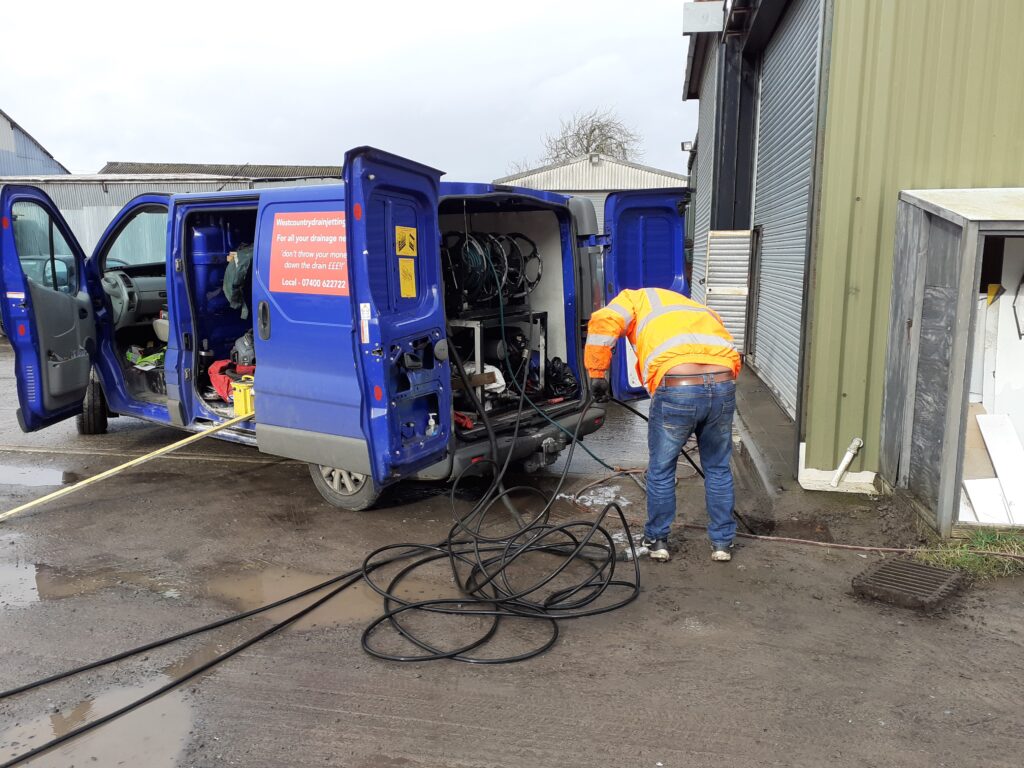
One of the most effective and affordable ways to fix a damaged or blocked drain is through a process known as drain relining. This process involves repairing the inside of the drain pipe without the need for excavation, making it a less invasive and more cost-effective option than traditional pipe replacement.
At YourDrains.co.uk, we specialize in providing drain relining services for both residential and commercial properties across the UK. In this blog post, we will explain what drain relining is, how it works, and the benefits of choosing this method for fixing your blocked or damaged drains.
What is Drain Relining?
Drain relining is a process of repairing damaged or blocked pipes by creating a new lining inside the existing drain pipe. It involves inserting a flexible liner into the damaged pipe, which is then inflated to adhere to the interior of the pipe. The liner is made of resin, which hardens and creates a new pipe within the existing one, effectively sealing any cracks or holes that may be causing the blockage.
How Does Drain Relining Work?
The process of drain relining involves the following steps:
- Cleaning the Drain: Before starting the relining process, the drain must be thoroughly cleaned to remove any debris or blockages that may hinder the relining process.
- Measuring the Pipe: The diameter and length of the damaged pipe are measured to determine the size of the liner needed for the relining process.
- Preparing the Liner: The liner is made of a flexible material such as felt, fibreglass, or polyester resin. The liner is then impregnated with an epoxy resin that hardens when heated.
- Inserting the Liner: The liner is inserted into the damaged pipe using a winch or air pressure. The liner is then positioned to fit the pipe’s contours and is secured in place using inflatable bladders.
- Curing the Liner: Once the liner is in place, it is cured using hot water or steam. This hardens the epoxy resin, creating a new lining inside the existing pipe.
- Final Inspection: After the liner has cured, a final inspection is carried out to ensure that the repair has been successful and that the drain is functioning correctly.
Benefits of Drain Relining
- Cost-Effective: Drain relining is a more cost-effective solution than traditional pipe replacement, as it requires less excavation and labour.
- Time-Saving: Drain relining can be completed in a matter of hours, rather than the days or weeks required for traditional pipe replacement.
- Non-Invasive: Drain relining is a non-invasive solution, which means that there is no need for excavation or heavy machinery, minimizing the impact on your property.
- Durable: Drain relining creates a new, seamless pipe within the existing one, which is highly resistant to wear and tear, making it a more durable solution.
- Environmentally-Friendly: Drain relining is an environmentally-friendly solution, as it reduces the amount of waste generated by traditional pipe replacement methods.
- Preventative Maintenance: Drain relining can be used as a preventative maintenance solution to prevent blockages and damage to your pipes, saving you money on future repairs.
- Versatile: Drain relining can be used to repair a wide range of pipe diameters and materials, making it a versatile solution for both residential and commercial properties.
At YourDrains.co.uk, we offer comprehensive drain relining services to help repair damaged pipes without the need for costly and invasive excavation. Our team of experts will use advanced techniques and materials to create a new, durable lining inside the existing pipe, effectively sealing any cracks, holes, or damage. The result is a fully restored drainage system that is more resilient to future damage and less prone to blockages.